
Digital marketing is a rapidly growing field that has a huge impact on businesses and brands all over the world. In today’s digital age, businesses need to have a strong online presence to stay competitive. To achieve this, businesses need to have a solid understanding of digital marketing strategies and techniques. This is where a digital marketing course comes in handy.
If you live in Bangalore and you are wondering why you need to learn digital marketing, keep reading. In this blog post, we will explore digital marketing courses in Bangalore, with their Course highlights and Fees, duration, Curriculum, Placements, certification, etc.
10 Best Digital Marketing Courses & Training Institutes in Bangalore
- 1. Digital Monk – #1 Digital Marketing Course in Bangalore
- Digital Monk – Best Digital Marketing Courses in Bangalore
- Benefits of taking a Digital marketing course in Bangalore
- Benefits of taking a Digital marketing course for College Students
- Benefits of taking a Digital marketing course for College Students
- Benefits of taking a Digital marketing course for Working Professionals
- Benefits of taking a Digital marketing course for Business Owners
- Different Types of Digital Marketing Courses in Bangalore
- Growing demand for digital marketing professionals in Bangalore
- Factors to Consider When Choosing a Digital Marketing Course in Bangalore
- Career Opportunites of learning digital marketing course in Bangalore
- Salary Potential of Learning Digital Marketing in Bangalore
- 2. IIDM – Indian Institute of Digital Marketing – #2 Digital Marketing Course in Bangalore
- 3. Apponix – #3 Digital Marketing Course in Bangalore
- 4. Digital Kora – #4 Digital Marketing Course in Bangalore
- 5. InventaTeq – #5 Digital Marketing Course in Bangalore
- 6. E Market Education – #6 Digital Marketing Course in Bangalore
- 7. Nidmindia – #7 Digital Marketing Course in Bangalore
- 8. Web Marketing Academy – #8 Digital Marketing Course in Bangalore
- 9. Excelr – #9 Digital Marketing Course in Bangalore
- 10. Digiperform – #10 Digital Marketing Course in Bangalore
1. Digital Monk – #1 Digital Marketing Course in Bangalore

Digital Monk is a leading institute that offers comprehensive digital marketing offline and online courses in Bangalore. With their expert guidance and hands-on training, students can learn the skills needed to become successful digital marketers.
About the Institute
Digital Monk was founded by a team of experienced digital marketing professionals who have worked with several renowned brands. The institute aims to bridge the gap between the industry’s demand for skilled professionals and the shortage of talent. They provide a platform for students to learn from industry experts and gain practical experience.
The best digital marketing training in bangalore offered by Digital Monk covers all the aspects of digital marketing. It is a 12-week program that includes modules on website design, search engine optimization (SEO), social media marketing, email marketing, content marketing, and more. The course is designed to provide students with a holistic understanding of digital marketing and equip them with the skills needed to plan, create and scale profitable digital marketing campaigns.
The course includes live projects, case studies, and assignments that help students apply their learning in real-life scenarios. The curriculum is updated regularly to ensure that students are up-to-date with the latest digital marketing trends and strategies.
Digital marketing is an ever-evolving industry that requires constant learning and updating of skills. Digital Monk offers an extensive course that equips students with the skills needed to succeed in this field. With their expert guidance and practical training, students can unlock the power of digital marketing and become successful digital marketers.
The course is organized into 8 core modules and 12 specialized modules with more than 300+ Hrs of Practical training with 6 Live Capstone Projects. The course is designed for serious people who want to be in the top 1% of digital marketing. The course will equip you to crack all the industry certifications from Google, Hubspot, Microsoft, etc, a total of 15+ Globally recognized Certifications will be cleared by the students. The course is designed to make you a highly paid-digital marketing professional.
Digital Monk – Best Digital Marketing Courses in Bangalore
Digital marketing course curriculum & modules:
- Introduction to Digital Marketing
- Website Design
- Content Marketing
- Search Engine Optimization
- Search Engine Marketing
- Social Media Marketing
- Email Marketing
- Web analytics
- Digital Marketing Strategy
Specialization Topics: Graphic Design, Youtube marketing, Mobile Marketing, CRO, Influencer Marketing, Growth Hacking, Marketing Automation, Affiliate Marketing, Sales Funnels, [50+ Topics], etc
Digital Marketing Course Duration & Fees:
The Course duration is 3 Months for Weekdays ( Mon to Friday 2.5 to 3 Hours class) and 4.5 Months for Weekends ( Saturday and Sunday ( 4 to 5 Hours Class). We don’t intend to drag the course for 6 months or 9 months, as the students will lose momentum in learning. Mode of training is available in both Classroom and online.
The Course Fee is INR 44,999 /- (inc. of all taxes)
Course Highlights:
- Industry’s Most Advanced Curriculum
- 300+ hrs of Practical Training
- 100% Placements
- 50+ Modules
- 5+ Industry Experts
- Best in Class Learning Management System (where you can access our recorded classes)
- Premium Tools worth 1,40,000/- FREE ( All original Tools with license keys)
- 15+ Globally recognized Certifications
- 10 Days No Question Refund Policy
- Best in-class Infrastructure
- Industry Experts who take your classes
- Freelancing Opportunities ( Work from home opportunities)
- Learn to make money through Affiliate Marketing
- Build your own business and eCommerce website.
Course Projects:
- Designing a Business Website
- Designing an E-commerce Website
- Designing Landing Pages
- 30-Day Social Media Strategy
- Running Paid Google and FB Ads
- Doing SEO for a Complete Website
- Running Email Campaigns
- Lead Generation Campaigns
Course Certifications:
- 6 Google Ads Certifications
- 1 Google Analytics Certification
- 5 Hubspot Certification
- 1 Microsoft Bing certification
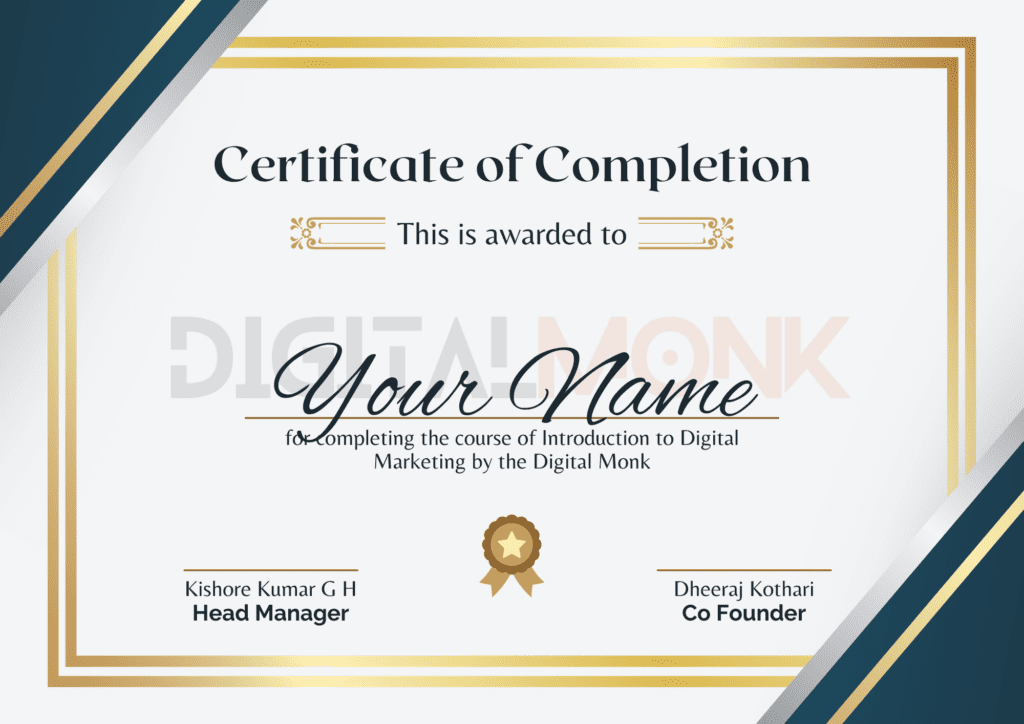
- 1 Course Completion Certificate.
Student Reviews:
Contact us:
If you are looking to enhance your digital marketing skills, Digital Monk is the right place for you. You can contact them through their website or by phone to learn more about their courses and admission process. Their team of experts is always happy to help and guide you toward a successful career in digital marketing
Email: hello@digitalmonk.org
Phone: +91 8310657401
Institute Address: 3rd Floor, No.944, 16th Main Rd, Kuvempu Nagar, BTM 2nd Stage, Bengaluru, Karnataka 560076
Course Brochure: Download here
Benefits of taking a Digital marketing course in Bangalore
In the bustling city of Bangalore, where innovation thrives and opportunities abound, the realm of digital marketing stands as a beacon of modernity and career growth. As the digital landscape evolves, the demand for skilled professionals in this field continues to soar. For those aspiring to carve a niche in the digital realm, enrolling in a digital marketing course in Bangalore can be a transformative step towards success. Let’s delve into a comprehensive exploration of benefits awaiting those who embark on this enlightening journey:
- Acquire In-Demand Skills: Gain expertise in the latest digital marketing tools and techniques.
- Stay Ahead of the Curve: Stay updated with the rapidly evolving digital landscape.
- Enhance Career Prospects: Unlock a plethora of career opportunities in the thriving digital marketing industry.
- Industry-Recognized Certification: Earn certifications that validate your skills and knowledge.
- Hands-On Learning: Engage in practical, hands-on learning experiences to reinforce theoretical concepts.
- Personalized Guidance: Receive personalized guidance and mentorship from industry experts.
- Networking Opportunities: Connect with like-minded professionals and expand your professional network.
- Boost Creativity: Explore your creative potential through various digital marketing strategies.
- Develop Analytical Skills: Hone your analytical skills to interpret data and derive actionable insights.
- Build a Strong Foundation: Lay a solid foundation in digital marketing principles and strategies.
- Flexibility: Choose from a variety of course formats and schedules to suit your needs.
- Career Transition: Seamlessly transition into a rewarding career in digital marketing from any background.
- Global Recognition: Gain recognition for your skills and expertise on a global scale.
- Unlock Entrepreneurial Opportunities: Equip yourself with the knowledge to launch and grow your own digital venture.
- Expand Your Skill Set: Learn a diverse range of digital marketing disciplines, from SEO to social media marketing.
- Adaptability: Develop the ability to adapt to changing digital trends and consumer behaviors.
- Increase Job Security: Invest in a future-proof career with high demand and job security.
- Remote Work Opportunities: Enjoy the flexibility of remote work options in the digital marketing realm.
- Personal Branding: Learn how to effectively brand yourself in the digital sphere.
- Improve Communication Skills: Enhance your communication skills for effective digital marketing campaigns.
- Understand Consumer Behavior: Gain insights into consumer psychology and behavior to tailor marketing strategies.
- Cultivate Leadership Skills: Develop leadership qualities essential for managing digital marketing teams.
- Career Advancement: Open doors to higher-level positions and advancement opportunities.
- Better Earning Potential: Command higher salaries with specialized digital marketing skills.
- Real-World Projects: Work on real-world projects to build a portfolio showcasing your capabilities.
- Elevate Brand Presence: Learn strategies to enhance brand visibility and reach in the digital space.
- Targeted Advertising: Master the art of targeted advertising to reach specific audience segments.
- Improve Website Performance: Optimize website performance through SEO and other techniques.
- Harness Social Media: Leverage social media platforms to engage with audiences and drive conversions.
- Mobile Marketing Proficiency: Develop expertise in mobile marketing strategies for reaching on-the-go consumers.
- Content Marketing Mastery: Learn how to create compelling content that resonates with your target audience.
- Email Marketing Excellence: Harness the power of email marketing to nurture leads and foster customer relationships.
- Video Marketing Prowess: Master video marketing techniques to captivate and engage audiences.
- Data-Driven Decision Making: Make informed decisions backed by data-driven insights and analytics.
- Continuous Learning: Embrace a culture of continuous learning to stay ahead in the digital marketing landscape.
- Creative Freedom: Enjoy the freedom to unleash your creativity in designing digital marketing campaigns.
- Work-Life Balance: Achieve a healthy work-life balance with flexible career options in digital marketing.
- International Exposure: Tap into global markets and audiences through digital marketing channels.
- Expand Your Horizons: Explore diverse career pathways within the broad spectrum of digital marketing.
- Influence Purchase Decisions: Learn how to influence consumer purchase decisions through targeted marketing efforts.
- Agile Methodologies: Implement agile methodologies for iterative improvements in digital campaigns.
- Crisis Management Skills: Develop crisis management skills to effectively handle digital marketing challenges.
- Build Customer Loyalty: Foster long-term customer relationships through personalized digital marketing strategies.
- Improve Conversion Rates: Optimize conversion rates through effective digital marketing tactics.
- Understand Search Algorithms: Gain insights into search engine algorithms to improve website rankings.
- Data Privacy Compliance: Understand data privacy laws and ensure compliance in digital marketing practices.
- Enhance User Experience: Prioritize user experience to drive engagement and conversions.
- A/B Testing Proficiency: Conduct A/B tests to optimize digital marketing campaigns for better performance.
- Brand Reputation Management: Learn strategies to manage and enhance brand reputation in the digital sphere.
- Harness Artificial Intelligence: Explore the potential of AI-powered tools and technologies in digital marketing.
- Develop Strategic Thinking: Cultivate strategic thinking skills essential for devising effective marketing plans.
- Cross-Channel Integration: Integrate multiple digital channels for a cohesive marketing approach.
- Enhance Customer Service: Use digital platforms to deliver exceptional customer service experiences.
- Crisis Communication Skills: Master crisis communication techniques for mitigating brand crises in the digital realm.
- Community Building: Build online communities and foster brand advocacy among customers.
- Understand Digital Ethics: Navigate ethical considerations in digital marketing practices.
- Improve Time Management: Enhance time management skills to efficiently handle digital marketing campaigns.
- Expand Market Reach: Reach new markets and demographics through targeted digital marketing strategies.
- Develop Cultural Sensitivity: Tailor marketing messages to diverse cultural audiences with sensitivity.
- Foster Innovation: Encourage innovation in digital marketing strategies and campaigns.
- Strategic Partnerships: Forge strategic partnerships with other businesses for mutual growth and success.
- Crisis Response Planning: Develop robust plans for responding to digital marketing crises promptly.
- Improve Lead Generation: Generate high-quality leads through strategic digital marketing initiatives.
- Harness Influencer Marketing: Collaborate with influencers to amplify brand reach and engagement.
- Build Brand Authority: Establish your brand as an authority in your niche through digital marketing efforts.
- Foster Brand Advocacy: Cultivate brand advocates who promote your brand organically.
- Improve Market Research: Conduct thorough market research using digital tools and techniques.
- Develop Brand Consistency: Maintain consistency in brand messaging across digital channels.
- Explore Emerging Technologies: Stay abreast of emerging technologies shaping the future of digital marketing.
- Enhance Project Management Skills: Manage digital marketing projects effectively from inception to completion.
- Foster Customer Engagement: Engage customers through interactive digital marketing campaigns.
- Improve Public Relations: Enhance public relations efforts through digital media channels.
- Develop Emotional Intelligence: Understand and connect with audiences on an emotional level through digital marketing.
- Enhance Cross-Cultural Communication: Tailor digital marketing messages to diverse cultural audiences.
- Improve Brand Differentiation: Stand out from competitors with unique digital marketing strategies.
- Foster Customer Advocacy: Cultivate loyal customers who advocate for your brand online.
- Optimize Marketing Budgets: Allocate marketing budgets more efficiently based on digital analytics.
- Develop Global Marketing Strategies: Tailor marketing strategies to resonate with global audiences.
- Enhance Brand Trust: Build trust and credibility with consumers
Benefits of taking a Digital marketing course for College Students
For college students, embracing the realm of digital marketing opens up a world of opportunities, both academically and professionally. Whether you’re pursuing a degree in marketing or any other field, here are compelling reasons why taking a digital marketing course can be a game-changer for college students:
- Relevant Skill Acquisition: Equip yourself with skills that are highly relevant in today’s job market.
- Future-Proof Career: Prepare for a career that is less susceptible to automation and more adaptable to changing trends.
- Complement Your Degree: Enhance your existing academic knowledge with practical digital marketing skills.
- Hands-On Learning: Engage in practical, hands-on learning experiences that supplement theoretical knowledge.
- Flexible Learning Options: Choose from a variety of course formats to fit your schedule, whether it’s online, offline, or hybrid.
- Internship Opportunities: Increase your chances of securing internships with digital marketing agencies or companies.
- Resume Booster: Strengthen your resume with relevant skills and certifications that employers value.
- Networking: Connect with industry professionals and peers who share your passion for digital marketing.
- Mentorship: Benefit from mentorship opportunities provided by experienced professionals in the field.
- Career Guidance: Receive guidance on career paths and opportunities within the digital marketing industry.
- Industry Insights: Gain valuable insights into industry trends, best practices, and emerging technologies.
- Practical Projects: Work on real-world projects to build your portfolio and showcase your skills to potential employers.
- Digital Literacy: Develop digital literacy skills essential for navigating the modern workplace.
- Creative Expression: Explore your creativity through various digital marketing channels such as content creation and social media.
- Critical Thinking: Hone your critical thinking skills by analyzing digital marketing strategies and their effectiveness.
- Data Analysis: Learn how to interpret data and analytics to optimize marketing campaigns and strategies.
- SEO Knowledge: Understand the fundamentals of search engine optimization (SEO) to improve online visibility and rankings.
- Content Creation: Master the art of creating engaging and relevant content for digital platforms.
- Social Media Management: Learn how to effectively manage and leverage social media channels for marketing purposes.
- Email Marketing: Acquire skills in email marketing to nurture leads and engage with customers.
- PPC Advertising: Familiarize yourself with pay-per-click (PPC) advertising platforms like Google Ads and Facebook Ads.
- Video Marketing: Explore the power of video marketing and its impact on audience engagement.
- Mobile Marketing: Understand the nuances of mobile marketing and its significance in reaching today’s consumers.
- Brand Building: Gain insights into brand building strategies and how to differentiate yourself in a crowded marketplace.
- Entrepreneurial Skills: Develop entrepreneurial skills that are essential for launching and growing your own business ventures.
- Global Perspective: Expand your horizons by learning about digital marketing on a global scale and reaching international audiences.
- Cultural Sensitivity: Learn how to tailor marketing strategies to different cultural contexts and audiences.
- Ethical Considerations: Understand the ethical implications of digital marketing practices and how to navigate them responsibly.
- Customer Relationship Management: Discover the importance of building and maintaining strong relationships with customers through digital channels.
- Data Privacy: Familiarize yourself with data privacy laws and regulations to ensure compliance in your marketing efforts.
- Adaptability: Develop the ability to adapt to new technologies, platforms, and consumer behaviors in the ever-evolving digital landscape.
- Problem-Solving Skills: Enhance your problem-solving skills by tackling real-world marketing challenges and finding innovative solutions.
- Leadership Qualities: Cultivate leadership qualities that are essential for managing digital marketing teams and projects.
- Team Collaboration: Learn how to collaborate effectively with cross-functional teams to achieve marketing goals.
- Presentation Skills: Improve your presentation skills by effectively communicating marketing strategies and results.
- Time Management: Master the art of time management to juggle academic responsibilities and extracurricular activities alongside your digital marketing endeavors.
- Self-Discipline: Develop self-discipline and motivation to stay on track with your learning goals and assignments.
- Financial Literacy: Understand the financial aspects of digital marketing, including budgeting and ROI analysis.
- Job Satisfaction: Increase your job satisfaction by pursuing a career that aligns with your interests and passions.
- Work-Life Balance: Achieve a healthy balance between your academic pursuits, personal life, and professional aspirations.
- Continuous Learning: Cultivate a mindset of lifelong learning and stay updated with the latest trends and developments in digital marketing.
- Improved Communication: Enhance your communication skills, both written and verbal, through interactions with peers and industry professionals.
- Confidence Building: Build confidence in your abilities as you acquire new skills and apply them in real-world scenarios.
- Community Engagement: Engage with the digital marketing community through forums, events, and online discussions.
- Brand Awareness: Increase your own personal brand awareness by showcasing your expertise and projects on digital platforms.
- Networking Events: Attend industry events, workshops, and conferences to expand your network and stay informed about industry trends.
- Career Diversity: Explore diverse career paths within the digital marketing field, ranging from content creation to analytics to strategy.
- Remote Work Opportunities: Take advantage of remote work opportunities in the digital marketing space, offering flexibility and autonomy.
- Industry Recognition: Earn recognition from industry leaders and organizations for your contributions to the field of digital marketing.
- Professional Development: Invest in your professional development and set yourself apart from your peers in a competitive job market.
- Employability Skills: Develop a wide range of skills that make you more attractive to potential employers, regardless of your chosen career path.
- Industry Partnerships: Benefit from partnerships between educational institutions and industry stakeholders, providing access to resources and opportunities.
- Social Responsibility: Understand the role of digital marketing in promoting social causes and responsible consumer behavior.
- Community Impact: Use your digital marketing skills to make a positive impact in your local community or beyond.
- Industry Research: Conduct research on industry trends, consumer behavior, and competitive analysis to inform marketing strategies.
- Personal Growth: Experience personal growth and self-discovery as you navigate the challenges and opportunities of digital marketing.
- Feedback Loop: Solicit feedback from peers, mentors, and industry professionals to continuously improve your skills and projects.
- Innovation: Foster a culture of innovation by experimenting with new ideas, technologies, and approaches in digital marketing.
- Problem Identification: Develop the ability to identify marketing problems and opportunities through data analysis and research.
- Networking Skills: Strengthen your networking skills by building relationships with professionals in the digital marketing industry.
- Resourcefulness: Learn to leverage available resources and tools to overcome challenges and achieve your marketing objectives.
- Brand Loyalty: Understand the factors that contribute to brand loyalty and how to cultivate it through digital marketing efforts.
- Intrapreneurship: Apply entrepreneurial principles within an organizational context by driving innovation and growth through digital marketing initiatives.
Benefits of taking a Digital marketing course for College Students
For graduates stepping into the job market, equipping themselves with digital marketing skills can be a game-changer. Let’s explore a comprehensive list of benefits awaiting graduates who embark on the journey of taking a digital marketing course:
- Enhanced Employability: Stand out to employers with sought-after digital marketing skills.
- Diverse Career Opportunities: Open doors to a wide array of career paths in marketing, advertising, and beyond.
- Industry-Relevant Skills: Acquire skills aligned with the current needs of businesses in the digital landscape.
- Practical Experience: Gain hands-on experience through real-world projects and simulations.
- Networking Opportunities: Connect with industry professionals and peers to expand your professional network.
- Professional Development: Invest in your professional growth and development from the outset of your career.
- Adaptability: Develop the ability to adapt to evolving digital trends and technologies.
- Entrepreneurial Skills: Equip yourself with the knowledge to launch and grow your own digital ventures.
- Global Reach: Leverage digital platforms to reach audiences worldwide and transcend geographical boundaries.
- Remote Work Opportunities: Enjoy the flexibility of remote work options inherent in the digital marketing field.
- Creative Expression: Unleash your creativity through innovative digital marketing campaigns.
- Analytical Thinking: Hone your analytical skills to interpret data and drive strategic decisions.
- Strategic Planning: Learn to develop and execute cohesive digital marketing strategies tailored to business objectives.
- Communication Skills: Enhance your communication abilities for effective marketing messaging across digital channels.
- Brand Building: Understand the nuances of brand building and storytelling in the digital realm.
- Content Creation: Master the art of creating engaging and relevant content for digital platforms.
- Search Engine Optimization (SEO): Learn techniques to improve website visibility and organic search rankings.
- Social Media Marketing: Harness the power of social media platforms to engage audiences and build brand presence.
- Pay-Per-Click (PPC) Advertising: Gain proficiency in running targeted PPC campaigns to drive conversions.
- Email Marketing: Learn effective email marketing strategies to nurture leads and foster customer relationships.
- Mobile Marketing: Understand the nuances of marketing to mobile users and optimizing for mobile platforms.
- Video Marketing: Explore the potential of video content in capturing audience attention and driving engagement.
- Influencer Marketing: Learn to collaborate with influencers to amplify brand reach and credibility.
- Data Analytics: Master tools and techniques for analyzing digital marketing metrics and performance.
- Conversion Rate Optimization (CRO): Optimize conversion funnels to maximize ROI on digital marketing efforts.
- Customer Relationship Management (CRM): Utilize CRM systems to manage and nurture customer interactions.
- Brand Reputation Management: Learn strategies to monitor and maintain a positive online brand reputation.
- Customer Segmentation: Understand different audience segments and tailor marketing strategies accordingly.
- Remarketing Strategies: Implement remarketing tactics to re-engage users and drive conversions.
- User Experience (UX) Optimization: Enhance website and app usability to improve user satisfaction and retention.
- Agile Marketing Practices: Embrace agile methodologies for iterative and responsive marketing campaigns.
- Crisis Communication: Develop skills to effectively manage and respond to digital marketing crises.
- Competitive Analysis: Conduct thorough analyses of competitors’ digital marketing strategies and performance.
- Market Research: Utilize digital tools for gathering insights into market trends and consumer behavior.
- Geotargeting: Target specific geographic locations with tailored marketing messages and offers.
- Personalization Strategies: Implement personalized marketing tactics to enhance customer engagement and loyalty.
- Community Building: Foster online communities around your brand to drive advocacy and loyalty.
- Multichannel Integration: Seamlessly integrate various digital marketing channels for cohesive brand experiences.
- Voice Search Optimization: Optimize content and strategies for voice search to adapt to changing search trends.
- Artificial Intelligence (AI) Integration: Explore AI-powered tools for optimizing marketing campaigns and workflows.
- Chatbot Implementation: Learn to design and deploy chatbots for improving customer service and engagement.
- Blockchain Marketing: Understand the potential applications of blockchain technology in digital marketing.
- Augmented Reality (AR) and Virtual Reality (VR) Marketing: Explore immersive marketing experiences for brands.
- Internet of Things (IoT) Marketing: Harness data from connected devices for personalized marketing initiatives.
- E-commerce Optimization: Optimize digital storefronts and user experiences to drive online sales.
- Affiliate Marketing: Explore partnership opportunities with affiliates to expand reach and drive sales.
- Data Privacy Compliance: Ensure adherence to data privacy regulations in all digital marketing activities.
- Social Responsibility: Learn to leverage digital platforms for social impact and responsible marketing.
- Return on Investment (ROI) Analysis: Evaluate the effectiveness of digital marketing campaigns and investments.
- Continuous Learning Culture: Embrace a mindset of lifelong learning to stay updated with digital trends.
- Professional Certifications: Earn industry-recognized certifications to validate your expertise in digital marketing.
- Mentorship Opportunities: Seek guidance from experienced professionals and mentors in the field.
- Thought Leadership: Position yourself as a thought leader by sharing insights and expertise in digital marketing.
- Freelancing Opportunities: Explore freelancing opportunities in digital marketing for flexible work arrangements.
- Industry Insights: Stay informed about industry trends, innovations, and best practices through continuous learning.
- Presentation Skills: Develop skills for effectively presenting digital marketing strategies and results to stakeholders.
- Project Management: Manage digital marketing projects effectively, from planning to execution and evaluation.
- Problem-Solving Skills: Cultivate a problem-solving mindset to address challenges encountered in digital marketing.
- Time Management: Prioritize tasks and manage time efficiently to meet project deadlines and goals.
- Collaboration Skills: Work effectively in cross-functional teams to achieve digital marketing objectives.
- Negotiation Skills: Negotiate partnerships, contracts, and agreements beneficial to digital marketing initiatives.
- Networking Events: Attend industry events, conferences, and meetups to expand your network and knowledge.
- Industry Insights: Gain insights into specific industries and verticals through targeted digital marketing efforts.
- Brand Positioning: Strategically position brands in the market to differentiate from competitors and appeal to target audiences.
- Lead Generation: Implement lead generation strategies to drive qualified leads for sales teams.
- Customer Journey Mapping: Understand and optimize the customer journey across digital touchpoints.
- Gamification Strategies: Incorporate gamification elements into digital marketing campaigns to increase engagement.
- Sales Funnel Optimization: Streamline sales funnels to maximize conversions and revenue generation.
- Customer Retention Strategies: Develop initiatives to nurture and retain existing customers for long-term loyalty.
- Agile Experimentation: Conduct A/B tests and experiments to optimize digital marketing performance.
- Industry Trends: Stay ahead of industry trends and emerging technologies shaping the future of digital marketing.
- Digital Branding: Create and maintain strong brand identities across digital channels for brand recognition and recall.
- Data Visualization: Communicate insights effectively through compelling data visualizations and dashboards.
- Thoughtful Messaging: Craft messaging that resonates with target audiences and drives desired actions.
- Crisis Preparedness: Develop contingency plans and protocols for managing digital marketing crises effectively.
- Emotional Intelligence: Understand and empathize with audience emotions to create impactful marketing campaigns.
Benefits of taking a Digital marketing course for Working Professionals
Working professionals aiming to stay relevant and advance in their careers, acquiring skills in digital marketing is not just advantageous but essential. Whether you’re a seasoned marketer or transitioning from another field, here are the reasons why investing in a digital marketing course can be immensely beneficial:
- Career Advancement: Propel your career forward with in-demand digital marketing skills.
- Stay Competitive: Remain competitive in your industry by staying updated with the latest marketing trends.
- Enhanced Job Security: Equip yourself with skills that are indispensable in today’s job market.
- Flexibility: Choose courses that fit around your schedule, enabling you to balance work and learning.
- Expand Your Skill Set: Add valuable skills to your repertoire and diversify your expertise.
- Networking Opportunities: Connect with fellow professionals and industry experts to broaden your network.
- Industry Insights: Gain valuable insights into different sectors and industries through digital marketing.
- Boost Your Resume: Enhance your resume with certifications and practical experience in digital marketing.
- Salary Increment: Increase your earning potential with specialized digital marketing skills.
- Entrepreneurial Ventures: Acquire knowledge to launch and grow your own business or consultancy.
- Personal Branding: Learn strategies to build and promote your personal brand in the digital sphere.
- Creative Outlet: Explore your creativity through various digital marketing campaigns and strategies.
- Remote Work Opportunities: Tap into remote job opportunities offered by the digital marketing industry.
- Work-Life Balance: Enjoy the flexibility of digital marketing roles that often allow for better work-life balance.
- Global Reach: Leverage digital platforms to reach global audiences and expand your market reach.
- Continuous Learning: Cultivate a habit of continuous learning to adapt to evolving digital landscapes.
- Portfolio Building: Showcase your digital marketing projects and campaigns in a professional portfolio.
- Career Transition: Seamlessly transition into a new career path within the dynamic field of digital marketing.
- Personal Development: Invest in your personal growth and development as a professional.
- Thought Leadership: Establish yourself as a thought leader in your industry through digital marketing expertise.
- Improve Communication Skills: Enhance your ability to communicate effectively across digital channels.
- Data Analysis Skills: Develop proficiency in analyzing data to derive actionable insights for marketing strategies.
- Strategic Thinking: Cultivate strategic thinking abilities crucial for devising effective marketing plans.
- Leadership Skills: Learn to lead digital marketing teams and projects with confidence.
- ROI Optimization: Maximize return on investment (ROI) through optimized digital marketing campaigns.
- Brand Management: Understand the fundamentals of brand management in the digital landscape.
- Customer Engagement: Learn techniques to engage and interact with customers across digital platforms.
- Market Research: Utilize digital tools for conducting market research and gathering consumer insights.
- Content Strategy: Develop content strategies that resonate with your target audience and drive engagement.
- SEO Mastery: Master search engine optimization (SEO) techniques to improve website visibility and rankings.
- Social Media Expertise: Harness the power of social media to build brand awareness and loyalty.
- Email Marketing Proficiency: Utilize email marketing effectively to nurture leads and retain customers.
- Paid Advertising Skills: Learn to run targeted paid advertising campaigns across various digital platforms.
- Mobile Marketing Strategies: Optimize marketing efforts for mobile devices to reach on-the-go consumers.
- Video Marketing Techniques: Incorporate video marketing into your strategies to captivate audiences.
- Web Analytics: Utilize web analytics tools to track and measure the performance of digital marketing campaigns.
- Conversion Rate Optimization (CRO): Optimize conversion funnels to increase conversion rates and sales.
- Customer Relationship Management (CRM): Implement CRM systems to manage and nurture customer relationships.
- Data Privacy Compliance: Ensure compliance with data privacy regulations in all digital marketing activities.
- Reputation Management: Learn strategies to monitor and manage online reputation effectively.
- Crisis Communication Skills: Develop protocols for handling crises and negative publicity in the digital realm.
- Geotargeting Strategies: Target specific geographic locations with tailored marketing messages.
- Personalization Tactics: Implement personalized marketing tactics to enhance customer experiences.
- Community Building: Foster online communities around your brand to drive engagement and loyalty.
- Cross-Channel Integration: Integrate multiple digital channels for a cohesive marketing approach.
- Agile Marketing Practices: Embrace agile methodologies for iterative and responsive marketing campaigns.
- Chatbot Implementation: Design and deploy chatbots for improving customer service and engagement.
- Voice Search Optimization: Optimize content and strategies for voice search to adapt to changing search trends.
- Artificial Intelligence (AI) Integration: Explore AI-powered tools for optimizing marketing campaigns and workflows.
- Augmented Reality (AR) and Virtual Reality (VR) Marketing: Experiment with immersive marketing experiences for brands.
- Internet of Things (IoT) Marketing: Harness data from connected devices for personalized marketing initiatives.
- Blockchain Marketing: Understand the potential applications of blockchain technology in digital marketing.
- E-commerce Optimization: Optimize digital storefronts and user experiences to drive online sales.
- Affiliate Marketing: Explore partnership opportunities with affiliates to expand reach and drive sales.
- Gamification Strategies: Incorporate gamification elements into digital marketing campaigns to increase engagement.
- Sales Funnel Optimization: Streamline sales funnels to maximize conversions and revenue generation.
- Customer Retention Strategies: Develop initiatives to nurture and retain existing customers for long-term loyalty.
- Agile Experimentation: Conduct A/B tests and experiments to optimize digital marketing performance.
- Emotional Intelligence: Understand and empathize with audience emotions to create impactful marketing campaigns.
- Cultural Sensitivity: Tailor marketing messages to diverse cultural audiences with sensitivity.
- Problem-Solving Skills: Cultivate a problem-solving mindset to address challenges encountered in digital marketing.
- Time Management: Prioritize tasks and manage time efficiently to meet project deadlines and goals.
- Collaboration Skills: Work effectively in cross-functional teams to achieve digital marketing objectives.
- Negotiation Skills: Negotiate partnerships, contracts, and agreements beneficial to digital marketing initiatives.
- Presentation Skills: Develop skills for effectively presenting digital marketing strategies and results to stakeholders.
- Project Management: Manage digital marketing projects effectively, from planning to execution and evaluation.
- Industry Trends: Stay ahead of industry trends and emerging technologies shaping the future of digital marketing.
- Digital Branding: Create and maintain strong brand identities across digital channels for brand recognition and recall.
- Data Visualization: Communicate insights effectively through compelling data visualizations and dashboards.
- Crisis Preparedness: Develop contingency plans and protocols for managing digital marketing crises effectively.
- Networking Events: Attend industry events, conferences, and meetups to expand your network and knowledge.
- Brand Positioning: Strategically position brands in the market to differentiate from competitors and appeal to target audiences.
- Lead Generation: Implement lead generation strategies to drive qualified leads for sales teams.
- Customer Journey Mapping: Understand and optimize the customer journey across digital touchpoints.
- Brand Advocacy: Cultivate loyal brand advocates who promote your brand organically.
- Market Segmentation: Segment audiences to deliver personalized marketing messages and offers.
- Thought Leadership: Position yourself as a thought leader by sharing insights and expertise in digital marketing.
Benefits of taking a Digital marketing course for Business Owners
Mastering the realm of digital marketing has become imperative for entrepreneurs and business owners alike. Whether you’re leading a startup or managing an established enterprise, investing in a digital marketing course can yield a multitude of advantages. Let’s delve into 100 compelling benefits awaiting business owners and entrepreneurs who choose to embark on this transformative journey:
- Enhanced Online Visibility: Boost your brand’s visibility and reach across digital platforms.
- Targeted Audience Reach: Reach specific target audiences with precision through digital marketing strategies.
- Increased Brand Awareness: Expand brand awareness and recognition among your target demographic.
- Improved Customer Engagement: Engage with customers on a deeper level through interactive digital channels.
- Enhanced Customer Relationships: Foster stronger relationships with customers through personalized digital interactions.
- Higher Conversion Rates: Drive more conversions and sales through optimized digital marketing campaigns.
- Cost-Effectiveness: Achieve better ROI compared to traditional marketing methods with cost-effective digital strategies.
- Measurable Results: Track and measure the performance of your digital marketing efforts with analytics tools.
- Real-Time Feedback: Receive immediate feedback on marketing campaigns, allowing for agile adjustments.
- Competitive Advantage: Gain an edge over competitors by leveraging innovative digital marketing tactics.
- Global Reach: Extend your business’s reach to global audiences through digital channels.
- Access to Data Insights: Harness valuable data insights to inform strategic business decisions.
- Scalability: Scale your marketing efforts efficiently to accommodate business growth.
- Brand Consistency: Maintain consistent branding across all digital touchpoints for brand coherence.
- Flexibility: Enjoy the flexibility to tailor marketing strategies according to changing market dynamics.
- Thought Leadership: Establish yourself as a thought leader in your industry through content marketing initiatives.
- Reputation Management: Manage and maintain a positive online reputation through effective digital strategies.
- Targeted Advertising: Reach high-intent customers with targeted advertising campaigns.
- Lead Generation: Generate high-quality leads through strategic digital marketing initiatives.
- Customer Retention: Implement retention strategies to keep existing customers engaged and loyal.
- Crisis Management: Develop protocols for effectively managing digital crises and reputation threats.
- Community Building: Foster an engaged online community around your brand for advocacy and support.
- Innovation Opportunities: Explore innovative marketing technologies and trends to stay ahead of the curve.
- Cross-Platform Integration: Seamlessly integrate marketing efforts across multiple digital platforms for maximum impact.
- Enhanced Customer Experience: Prioritize user experience across digital touchpoints to delight customers.
- Time Efficiency: Streamline marketing processes and workflows for increased efficiency.
- Resource Optimization: Allocate resources more effectively based on data-driven insights.
- Regulatory Compliance: Ensure compliance with relevant digital marketing regulations and guidelines.
- Brand Differentiation: Stand out from competitors with unique and compelling digital marketing strategies.
- Continuous Learning: Foster a culture of continuous learning and adaptation within your organization.
- Strategic Partnerships: Forge strategic alliances with complementary businesses for mutual benefit.
- Employee Development: Invest in the professional development of your team members through digital marketing training.
- Talent Attraction: Attract top talent by showcasing your commitment to digital innovation and growth.
- Business Expansion: Facilitate expansion into new markets or demographics through targeted digital campaigns.
- Customer Education: Educate customers about your products or services through informative digital content.
- Product Launch Support: Generate buzz and excitement around new product launches through digital marketing.
- Customer Feedback Loop: Solicit feedback from customers through digital channels to inform product improvements.
- Enhanced Customer Service: Provide proactive customer service through digital platforms for increased satisfaction.
- Brand Advocacy: Cultivate brand advocates who actively promote your business on digital channels.
- Improved Market Insights: Gain valuable insights into market trends and consumer behavior through digital analytics.
- Data Security: Implement robust security measures to safeguard customer data and privacy.
- Thoughtful Messaging: Craft messaging that resonates with your target audience’s values and aspirations.
- Authenticity and Transparency: Build trust with customers through authentic and transparent communication.
- Crisis Communication Preparedness: Develop contingency plans and messaging frameworks for addressing crises promptly.
- Enhanced Productivity: Streamline marketing workflows and processes to boost overall productivity.
- Strategic Goal Alignment: Align digital marketing efforts with broader business goals and objectives.
- Brand Storytelling: Tell compelling stories that resonate with your audience and reinforce brand identity.
- Environmental Responsibility: Promote sustainability and environmental responsibility through digital marketing initiatives.
- Data-Driven Decision-Making: Base strategic decisions on actionable insights derived from digital analytics.
- Corporate Social Responsibility (CSR): Showcase your commitment to social causes through digital campaigns and initiatives.
- Investor Relations: Communicate effectively with investors and stakeholders through digital channels.
- Crisis Response Training: Provide employees with training on crisis response protocols and communication strategies.
- Digital Asset Management: Implement systems for managing digital assets and collateral effectively.
- Marketing Automation: Streamline repetitive marketing tasks with automation tools for increased efficiency.
- Employee Advocacy Programs: Empower employees to become brand advocates and ambassadors on social media.
- Customer Journey Mapping: Understand and optimize the customer journey through digital touchpoints.
- Email Marketing Optimization: Improve email marketing campaigns for better engagement and conversion rates.
- Data Privacy Compliance: Ensure compliance with data privacy regulations such as GDPR and CCPA.
- Voice Search Optimization: Optimize content and strategies for voice search to adapt to changing consumer behaviors.
- Augmented Reality (AR) and Virtual Reality (VR) Experiences: Create immersive brand experiences through AR and VR technologies.
- Chatbot Implementation: Enhance customer service and support with AI-powered chatbots.
- Influencer Marketing Collaborations: Partner with influencers to expand brand reach and credibility.
- Web Accessibility: Ensure that digital assets and platforms are accessible to users with disabilities.
- User-Generated Content Campaigns: Harness user-generated content to build community and authenticity.
- Strategic Partnerships and Collaborations: Collaborate with complementary brands or influencers to reach new audiences.
- Video Marketing Strategies: Leverage the power of video content to engage and educate your audience.
- Social Listening and Monitoring: Monitor social media channels for mentions and feedback to inform marketing strategies.
- Geotargeting and Local SEO: Target local audiences with geotargeted campaigns and localized SEO efforts.
- Personalization and Segmentation: Deliver personalized experiences and messages to different audience segments.
- Loyalty Programs and Retention Campaigns: Implement loyalty programs and retention campaigns to reward and retain loyal customers.
- Crowdfunding Campaigns: Launch crowdfunding campaigns to raise funds and generate buzz for new projects or products.
- Webinar Hosting and Thought Leadership: Host webinars and thought leadership events to position your brand as an industry leader.
- Podcast Production and Promotion: Create and promote podcasts to reach and engage with your audience in a new format.
- Interactive Content Creation: Develop interactive content such as quizzes, polls, and games to increase engagement and interaction.
- Content Syndication and Distribution: Syndicate and distribute content across various channels to reach a wider audience.
- Employee Training and Development: Provide digital marketing training and development opportunities for your team to enhance skills and capabilities.
- Employee Advocacy Programs: Encourage employees to become brand advocates and share company content on their personal social media channels
Different Types of Digital Marketing Courses in Bangalore
Let’s delve into the spectrum of digital marketing courses available in Bangalore, each offering unique benefits and opportunities for personal and professional growth.
- Search Engine Optimization (SEO) Courses:
- SEO forms the backbone of digital marketing, focusing on optimizing websites to rank higher in search engine results.
- Courses cover keyword research, on-page optimization, link building strategies, and analytics tools.
- Benefits include increased website visibility, organic traffic, and improved search engine rankings.
- Social Media Marketing Courses:
- Social media has become integral to marketing strategies, offering avenues for engagement, brand building, and lead generation.
- Courses delve into platforms like Facebook, Instagram, Twitter, LinkedIn, and TikTok, covering content creation, advertising, analytics, and community management.
- Benefits include enhanced brand presence, customer engagement, and targeted advertising opportunities.
- Pay-Per-Click (PPC) Advertising Courses:
- PPC advertising enables businesses to reach targeted audiences through paid search and display ads.
- Courses focus on platforms like Google Ads (formerly AdWords), Bing Ads, and social media advertising, covering campaign setup, optimization, and performance tracking.
- Benefits include increased website traffic, lead generation, and measurable ROI from advertising spend.
- Email Marketing Courses:
- Email marketing remains a powerful tool for nurturing leads, driving conversions, and fostering customer loyalty.
- Courses cover email automation, segmentation, personalization, and analytics, along with best practices for crafting compelling email campaigns.
- Benefits include higher engagement rates, increased sales, and cost-effective communication with customers.
- Content Marketing Courses:
- Content is king in digital marketing, serving as the foundation for engaging audiences and building brand authority.
- Courses encompass content strategy, creation, distribution, and measurement across various formats such as blogs, videos, infographics, and podcasts.
- Benefits include improved brand visibility, thought leadership, and higher organic search rankings.
- Digital Analytics Courses:
- Data-driven decision-making is crucial in digital marketing, requiring proficiency in analytics tools and techniques.
- Courses delve into web analytics platforms like Google Analytics, offering insights into user behavior, traffic sources, and campaign performance.
- Benefits include enhanced ROI tracking, optimization of marketing strategies, and informed decision-making.
- Mobile Marketing Courses:
- With the proliferation of smartphones, mobile marketing has emerged as a specialized domain focusing on reaching and engaging mobile users.
- Courses cover mobile advertising, app marketing, responsive design, and location-based targeting strategies.
- Benefits include expanded reach, higher conversion rates, and improved user experiences on mobile devices.
- Affiliate Marketing Courses:
- Affiliate marketing involves partnering with affiliates to promote products or services in exchange for a commission.
- Courses explore affiliate networks, program management, performance tracking, and relationship building with affiliates.
- Benefits include scalable revenue streams, expanded market reach, and minimal upfront costs for businesses.
- Influencer Marketing Courses:
- Influencer marketing leverages the influence of social media personalities to endorse brands and products.
- Courses focus on identifying influencers, negotiating partnerships, campaign execution, and measuring impact.
- Benefits include authentic brand advocacy, increased credibility, and access to niche audiences.
- E-commerce Marketing Courses:
- E-commerce marketing targets online shoppers, focusing on driving traffic, optimizing conversions, and maximizing sales.
- Courses cover platforms like Shopify, WooCommerce, and Amazon, along with strategies for product listings, pricing, and promotions.
- Benefits include increased online sales, improved customer experiences, and scalability for e-commerce businesses.
- Video Marketing Courses:
- Video content has become increasingly popular, offering engaging ways to communicate brand messages and connect with audiences.
- Courses cover video production, editing, optimization for platforms like YouTube, Vimeo, and social media, and measuring video performance.
- Benefits include higher engagement rates, improved brand recall, and opportunities for storytelling and visual communication.
- Advanced Digital Marketing Courses:
- Advanced courses cater to experienced professionals seeking to deepen their knowledge and expertise in specialized areas of digital marketing.
- Topics may include advanced analytics, conversion rate optimization (CRO), marketing automation, growth hacking, and emerging trends in digital marketing.
- Benefits include staying ahead of industry trends, career advancement opportunities, and becoming a subject matter expert in specific domains.
Growing demand for digital marketing professionals in Bangalore
In the vibrant tech hub of Bangalore, the digital revolution is in full swing, propelling businesses towards online platforms and digital strategies. With this transformation comes an unprecedented demand for skilled digital marketing professionals who can navigate the digital landscape with finesse. Let’s delve into the reasons behind the exponential growth in demand for digital marketers in Bangalore and how this trend is reshaping the job market.
- Tech Hub Status: Bangalore, often referred to as the Silicon Valley of India, boasts a thriving tech ecosystem. Home to numerous multinational corporations, startups, and tech giants, the city serves as a breeding ground for innovation and digital disruption.
- Proliferation of Digital Channels: The proliferation of digital channels such as social media, search engines, email, and mobile apps has revolutionized marketing strategies. Businesses are increasingly investing in digital platforms to reach their target audiences effectively.
- E-commerce Boom: The e-commerce boom has catalyzed the demand for digital marketers. With consumers flocking to online shopping platforms, businesses are vying for attention in the digital realm, creating a pressing need for skilled professionals to drive digital marketing initiatives.
- Startup Culture: Bangalore’s vibrant startup ecosystem has been a major contributor to the demand for digital marketing talent. Startups are leveraging digital marketing strategies to scale their businesses rapidly and gain a competitive edge in the market.
- Digital Transformation: The ongoing digital transformation across industries has necessitated a shift towards digital marketing. Traditional marketing methods are being supplemented or replaced by digital strategies, fueling the demand for professionals with digital marketing expertise.
- Measurable ROI: Digital marketing offers the advantage of real-time analytics and measurable ROI, making it an attractive option for businesses looking to optimize their marketing budgets. The ability to track and analyze campaign performance has heightened the demand for digital marketing professionals who can deliver tangible results.
- Targeted Advertising: Digital marketing enables businesses to target specific demographics, interests, and behaviors with precision. This targeted approach enhances the effectiveness of marketing campaigns, driving higher conversion rates and ROI.
- Personalized Customer Experiences: Consumers today expect personalized experiences across digital touchpoints. Digital marketers play a crucial role in crafting tailored messaging and experiences that resonate with individual preferences, driving customer engagement and loyalty.
- SEO and Content Marketing: Search engine optimization (SEO) and content marketing are integral components of digital marketing strategies. As businesses vie for visibility in search engine results pages (SERPs), the demand for professionals skilled in SEO and content creation is on the rise.
- Social Media Dominance: Social media platforms have emerged as powerful marketing channels, offering businesses unprecedented reach and engagement opportunities. The ability to leverage social media effectively is a sought-after skill in the digital marketing landscape.
- Data-Driven Decision Making: Data lies at the heart of digital marketing, empowering businesses to make informed decisions based on actionable insights. Professionals who can interpret data, conduct A/B testing, and optimize campaigns for maximum impact are in high demand.
- Mobile Marketing: With the proliferation of smartphones, mobile marketing has become indispensable for businesses. Mobile-responsive websites, app marketing, and SMS campaigns are just a few examples of mobile marketing strategies driving demand for skilled professionals.
- Email Marketing: Despite the rise of newer digital channels, email marketing remains a potent tool for customer acquisition and retention. Digital marketers adept at crafting compelling email campaigns and automation workflows are invaluable assets to businesses.
- Affiliate Marketing: Affiliate marketing offers businesses a cost-effective way to expand their reach and drive sales through partnerships with affiliates. Professionals with expertise in affiliate marketing can help businesses tap into new customer segments and revenue streams.
- Digital Advertising Platforms: The advent of digital advertising platforms such as Google Ads, Facebook Ads, and LinkedIn Ads has revolutionized online advertising. Businesses are increasingly investing in paid advertising to amplify their reach and achieve their marketing objectives.
- Content Management Systems (CMS): Proficiency in content management systems like WordPress, Drupal, or Joomla is essential for digital marketers involved in website management and content creation. These skills enhance a professional’s ability to execute digital marketing strategies effectively.
- E-commerce Integration: For businesses operating in the e-commerce space, expertise in e-commerce platforms such as Shopify, WooCommerce, or Magento is crucial. Digital marketers proficient in e-commerce integration can optimize product listings, implement conversion tracking, and drive online sales.
- Marketing Automation: Marketing automation platforms enable businesses to streamline repetitive tasks, nurture leads, and personalize customer interactions at scale. Professionals well-versed in marketing automation tools like HubSpot, Marketo, or Pardot are highly sought after.
- Video Marketing: Video has emerged as a dominant form of content consumption, making video marketing a priority for businesses. Digital marketers skilled in video production, editing, and optimization can create engaging video content that captivates audiences and drives conversions.
- Influencer Marketing: Collaborating with influencers offers businesses a powerful way to reach and engage target audiences authentically. Digital marketers with expertise in influencer identification, outreach, and campaign management are in demand across industries.
- Ethical Considerations: As digital marketing practices evolve, ethical considerations such as data privacy, consent, and transparency have come to the forefront. Professionals who prioritize ethical marketing practices and compliance with regulations are highly valued by businesses.
- Continuous Learning Culture: The dynamic nature of digital marketing necessitates a commitment to continuous learning and skill development. Professionals who stay updated with industry trends, emerging technologies, and best practices remain in high demand in Bangalore’s competitive job market.
- Global Opportunities: In an increasingly interconnected world, digital marketing professionals in Bangalore have access to global job opportunities. Remote work arrangements, freelance projects, and cross-border collaborations offer avenues for career growth and expansion beyond geographical boundaries.
- Industry Recognition: Achieving certifications from reputable organizations such as Google, Facebook, or HubSpot enhances a digital marketer’s credibility and marketability. Businesses value professionals with recognized certifications as they demonstrate competence and expertise in their field.
- Entrepreneurial Ventures: Bangalore’s entrepreneurial ecosystem provides fertile ground for aspiring digital marketers to launch their ventures. Whether as consultants, agency owners, or tech startup founders, entrepreneurial opportunities abound for those with a passion for digital marketing innovation.
- Agile Mindset: The agile methodology, characterized by iterative testing, learning, and adaptation, is central to modern digital marketing practices. Professionals who embrace an agile mindset and can pivot quickly in response to market changes are highly sought after by businesses seeking to stay ahead of the curve.
- Crisis Management Skills: Digital marketers adept at crisis management can navigate challenges such as negative publicity, social media backlash, or cybersecurity threats effectively. Businesses value professionals who can mitigate risks and safeguard their brand reputation in the digital realm.
- Cross-Functional Collaboration: Collaboration across departments such as marketing, sales, IT, and customer service is essential for successful digital marketing initiatives. Professionals who can communicate effectively and collaborate cross-functionally to achieve common goals are invaluable assets to businesses.
- Leadership Potential: As digital marketing teams grow and evolve, leadership skills become increasingly important for driving team performance and fostering a culture of innovation. Professionals who demonstrate leadership potential and mentorship capabilities are well-positioned for advancement in their careers.
- Brand Advocacy: Digital marketers who are passionate about the brands they represent can become powerful brand advocates, driving organic growth through word-of-mouth marketing and customer referrals
Factors to Consider When Choosing a Digital Marketing Course in Bangalore
In today’s digital age, the significance of digital marketing expertise cannot be overstated. As the demand for skilled professionals continues to surge, the decision to enroll in a digital marketing course becomes increasingly crucial. However, with a plethora of options available, choosing the right course can be daunting. To simplify your decision-making process, we’ve compiled a comprehensive list of 100 factors to consider when selecting a digital marketing course.
- Accreditation: Ensure the course is accredited by reputable institutions or industry bodies.
- Curriculum Relevance: Assess whether the curriculum aligns with your career goals and interests.
- Industry Focus: Determine if the course caters to specific industries or offers a broad perspective.
- Practical Experience: Look for courses that offer hands-on projects and real-world simulations.
- Faculty Expertise: Evaluate the qualifications and industry experience of the course instructors.
- Student Reviews: Seek feedback from past students to gauge the course’s effectiveness.
- Course Duration: Consider the duration of the course and its compatibility with your schedule.
- Flexibility: Assess whether the course offers flexible learning options such as part-time or online formats.
- Cost: Compare the cost of the course with your budget and the value it provides.
- Certification: Determine if the course offers industry-recognized certifications upon completion.
- Career Support: Look for courses that offer career guidance, job placement assistance, or networking opportunities.
- Up-to-Date Content: Ensure the course covers the latest trends, tools, and technologies in digital marketing.
- Specializations: Evaluate whether the course offers specializations or modules tailored to specific areas of digital marketing.
- Global Recognition: Choose a course with global recognition to enhance your career prospects internationally.
- Networking Opportunities: Assess whether the course facilitates networking with industry professionals and peers.
- Learning Resources: Check the availability of learning resources such as textbooks, online modules, or software tools.
- Accessibility: Ensure the course materials and resources are accessible and user-friendly.
- Interactive Learning: Look for courses that offer interactive learning experiences such as webinars, forums, or group projects.
- Feedback Mechanism: Assess how feedback is provided and incorporated into the learning process.
- Graduate Outcomes: Research the career outcomes of past graduates to gauge the course’s effectiveness.
- Practical Assignments: Determine if the course includes practical assignments that apply theoretical concepts to real-world scenarios.
- Industry Partnerships: Look for courses partnered with industry leaders or organizations for added credibility.
- ROI Potential: Evaluate the return on investment (ROI) potential of the course in terms of career advancement and salary prospects.
- Learning Pace: Consider your preferred learning pace and whether the course offers options for self-paced or accelerated learning.
- Feedback from Employers: Seek feedback from employers or industry professionals on the course’s reputation and relevance.
- Global Faculty: Assess if the course is taught by faculty members with diverse backgrounds and global perspectives.
- Case Studies: Look for courses that incorporate real-life case studies to illustrate digital marketing concepts in action.
- Guest Lectures: Evaluate if the course features guest lectures or industry speakers to provide additional insights.
- Community Engagement: Consider whether the course fosters a sense of community among students through forums, social media groups, or networking events.
- Industry Insights: Assess if the course provides insights into industry trends, challenges, and best practices.
- Technical Skills: Determine if the course covers essential technical skills such as web analytics, SEO, or PPC management.
- Soft Skills Development: Look for opportunities to develop soft skills such as communication, teamwork, and problem-solving.
- Portfolio Building: Assess if the course helps you build a portfolio of work that showcases your digital marketing skills.
- Internship Opportunities: Consider if the course offers internship placements or practical experience opportunities with industry partners.
- Feedback from Peers: Seek feedback from peers or colleagues who have completed similar courses.
- Mentorship Programs: Evaluate if the course offers mentorship programs or opportunities to connect with industry mentors.
- Post-Course Support: Consider if the course provides ongoing support or resources after completion, such as alumni networks or refresher courses.
- Learning Environment: Assess the learning environment, whether it’s conducive to collaboration, creativity, and critical thinking.
- Industry Reputation: Research the reputation of the institution or training provider offering the course within the digital marketing industry.
- Geographical Location: Consider the geographical location of the course and its proximity to potential employers or industry hubs.
- Company Sponsorship: If sponsored by your employer, ensure the course aligns with your career development goals and organizational objectives.
- Job Placement Rates: Research the job placement rates of course graduates to assess their employability and success in the job market.
- Testimonials: Look for testimonials or success stories from past students to gauge the course’s effectiveness.
- Learning Management System: Evaluate the learning management system (LMS) used for course delivery in terms of usability and functionality.
- Industry Partnerships: Assess if the course is affiliated with industry partners, agencies, or companies that offer internship or job opportunities.
- Professional Development: Consider if the course offers opportunities for professional development beyond digital marketing skills, such as leadership or entrepreneurship.
- Learning Style Compatibility: Determine if the course’s teaching methods and learning style align with your preferences and learning objectives.
- Global Reach: Assess if the course has a global reach and attracts students from diverse cultural and professional backgrounds.
- Learning Outcomes: Evaluate the course’s learning outcomes and whether they align with your career aspirations and goals.
- Feedback Mechanism: Consider how feedback is solicited and incorporated into the course curriculum to improve the learning experience.
- Learning Support: Assess the availability of learning support resources such as tutors, mentors, or student advisors.
- Industry Connections: Look for courses that offer opportunities to connect with industry professionals through networking events, workshops, or guest lectures.
- Job Placement Assistance: Evaluate if the course provides job placement assistance or career counseling services to help you transition into the workforce.
- Learning Flexibility: Consider if the course offers flexible learning options such as part-time, evening, or online classes to accommodate your schedule.
- Learning Environment: Assess the learning environment, including facilities, resources, and technology, to ensure it meets your needs and preferences.
- Course Structure: Evaluate the course structure, including modules, assignments, assessments, and exams, to determine if it aligns with your learning style and objectives.
- Faculty Credentials: Research the qualifications, expertise, and industry experience of the course instructors to ensure they are knowledgeable and experienced in their field.
- Course Reputation: Look for reviews, ratings, or testimonials from past students to gauge the course’s reputation, quality, and effectiveness.
- Learning Approach: Consider the course’s teaching methods, pedagogical approach, and instructional design to determine if they suit your learning preferences and needs.
- Learning Resources: Assess the availability, accessibility, and quality of learning resources such as textbooks, online materials, videos, and tutorials to support
Career Opportunites of learning digital marketing course in Bangalore
In the ever-evolving landscape of digital marketing, pursuing a specialized course not only opens doors to a multitude of career opportunities but also promises significant earning potential. Let’s embark on an enlightening journey through 100 career prospects and the promising salary potential awaiting those who undertake digital marketing courses.
- Digital Marketing Manager: As a digital marketing manager, you’ll oversee all aspects of online marketing campaigns and strategies, leading a team to drive brand awareness and customer engagement.
- Social Media Manager: Manage social media platforms, create compelling content, and engage with audiences to build brand presence and drive conversions.
- SEO Specialist: Optimize websites for search engines to improve visibility and rankings, driving organic traffic and enhancing online visibility.
- PPC Specialist: Manage pay-per-click advertising campaigns, optimize ad performance, and maximize ROI through targeted keyword strategies.
- Content Marketing Manager: Develop and execute content marketing strategies, create engaging content, and drive brand storytelling across various platforms.
- Email Marketing Specialist: Design and execute email marketing campaigns, segment audiences, and nurture leads to drive conversions and customer retention.
- Digital Analytics Manager: Analyze data from various digital channels, derive insights, and optimize marketing strategies based on performance metrics.
- E-commerce Marketing Manager: Drive online sales and revenue through strategic e-commerce marketing initiatives, including promotions, discounts, and customer retention tactics.
- Inbound Marketing Specialist: Implement inbound marketing strategies to attract, engage, and delight customers through relevant and valuable content.
- Brand Manager: Develop and maintain brand identity, oversee brand messaging, and ensure brand consistency across all digital channels.
- Web Analytics Specialist: Analyze website traffic, user behavior, and conversion rates to optimize website performance and user experience.
- Mobile Marketing Manager: Develop and implement mobile marketing strategies to reach and engage mobile users through apps, SMS, and mobile websites.
- Affiliate Marketing Manager: Manage affiliate partnerships, track affiliate performance, and optimize commission structures to drive affiliate revenue.
- Conversion Rate Optimization (CRO) Specialist: Optimize conversion funnels, conduct A/B testing, and implement strategies to improve website conversion rates.
- Marketing Automation Specialist: Implement marketing automation platforms, create automated workflows, and optimize lead nurturing processes.
- Video Marketing Manager: Develop video marketing strategies, create engaging video content, and optimize video campaigns across digital platforms.
- Public Relations (PR) Manager: Manage public relations strategies, cultivate media relationships, and enhance brand reputation through earned media coverage.
- Community Manager: Build and engage online communities, foster brand advocacy, and facilitate conversations between brands and their audiences.
- Influencer Marketing Manager: Identify and collaborate with influencers, negotiate partnerships, and track influencer campaign performance.
- Social Media Advertising Specialist: Create and optimize social media ad campaigns across platforms like Facebook, Instagram, LinkedIn, and Twitter.
- Reputation Management Specialist: Monitor online reputation, address negative feedback, and manage online reviews to maintain a positive brand image.
- Marketing Data Analyst: Analyze marketing data, generate insights, and provide actionable recommendations to optimize marketing strategies.
- User Experience (UX) Designer: Improve website usability, design intuitive user interfaces, and optimize the overall user experience to drive conversions.
- Digital Copywriter: Write compelling copy for digital marketing campaigns, including website content, email newsletters, social media posts, and ads.
- Search Engine Marketing (SEM) Manager: Manage search engine marketing campaigns, including paid search advertising and Google Ads campaigns.
- Marketing Communications Manager: Develop and execute integrated marketing communications strategies, including advertising, PR, and content marketing.
- Data Privacy Specialist: Ensure compliance with data privacy regulations such as GDPR and CCPA, and implement data privacy best practices across digital marketing initiatives.
- Multimedia Designer: Create multimedia assets, including graphics, videos, animations, and interactive content, to support digital marketing campaigns.
- Customer Relationship Management (CRM) Manager: Implement and manage CRM systems, segment customer data, and execute targeted email marketing campaigns.
- Brand Strategist: Develop brand positioning strategies, conduct market research, and identify opportunities for brand differentiation and growth.
- Event Marketing Manager: Plan and execute digital marketing strategies for events, including virtual events, webinars, and conferences.
- Chatbot Developer: Design and develop chatbot solutions to automate customer service, sales, and lead generation processes.
- Blockchain Marketing Specialist: Explore the applications of blockchain technology in digital marketing, including blockchain-based advertising and customer loyalty programs.
- Augmented Reality (AR) Marketing Manager: Develop AR marketing campaigns to create immersive brand experiences and drive customer engagement.
- Voice Search Optimization Specialist: Optimize digital content for voice search queries, including voice-activated search engines like Siri, Alexa, and Google Assistant.
- Internet of Things (IoT) Marketing Manager: Leverage IoT devices and data to personalize marketing messages and deliver targeted experiences to consumers.
- Sustainability Marketing Manager: Develop and execute sustainable marketing strategies that promote environmentally friendly products and practices.
- Local SEO Specialist: Optimize digital marketing strategies for local businesses, including local search optimization, Google My Business management, and local directory listings.
- Legal Compliance Manager: Ensure compliance with advertising regulations, data protection laws, and industry standards across digital marketing campaigns.
- AI Marketing Strategist: Explore the applications of artificial intelligence in marketing, including predictive analytics, chatbots, and personalized recommendations.
- Cybersecurity Marketing Specialist: Develop marketing strategies for cybersecurity products and services, and educate consumers about cybersecurity best practices.
- Growth Hacker: Implement growth hacking strategies to rapidly acquire and retain customers through innovative marketing tactics and experimentation.
- International Marketing Manager: Develop and execute marketing strategies for international markets, including localization, cultural adaptation, and market expansion.
- Freelance Digital Marketer: Work independently as a freelance digital marketer, offering services such as SEO, content marketing, social media management, and PPC advertising.
- Entrepreneur: Launch your own digital marketing agency, consultancy, or e-commerce business, leveraging your expertise to drive growth and success.
- Digital Marketing Trainer: Share your knowledge and expertise by teaching digital marketing courses, conducting workshops, or offering online training programs.
- Virtual Reality (VR) Marketing Manager: Develop VR marketing campaigns to create immersive brand experiences and engage audiences in virtual environments.
- Data Visualization Specialist: Create visually engaging dashboards and reports to communicate marketing insights and performance metrics effectively.
- E-learning Course Developer: Develop digital marketing courses and training programs for online learning platforms, educational institutions, and corporate training programs.
- Podcast Marketing Manager: Develop podcast marketing strategies to reach and engage audiences through audio content, sponsorships, and partnerships.
- Artificial Intelligence (AI) Chatbot Manager: Design and deploy AI-powered chatbots to automate customer service, sales, and support functions across digital channels.
- Social Media Listening Analyst: Monitor social media conversations, analyze sentiment, and extract insights to inform marketing strategies and brand perception.
- Healthcare Marketing Specialist: Develop and execute digital marketing strategies for healthcare organizations, including hospitals, clinics, and pharmaceutical companies.
Salary Potential of Learning Digital Marketing in Bangalore
The role of digital marketers has never been more critical. With the explosive growth of digital platforms and technologies, mastering the art of digital marketing not only opens doors to a myriad of career opportunities but also presents significant salary potential. Let’s delve into the lucrative salary prospects awaiting those who embark on the journey of learning digital marketing.
- In-Demand Skill Set: Digital marketing encompasses a diverse range of skills, including SEO, social media marketing, content creation, email marketing, and data analytics. Professionals proficient in these areas are highly sought after by businesses looking to bolster their online presence.
- Global Opportunities: One of the key advantages of digital marketing skills is their universal applicability. Whether you’re based in Bangalore, New York, or London, the demand for digital marketers spans across industries and geographical boundaries, offering a wealth of career prospects worldwide.
- Varied Career Pathways: Digital marketing is not a one-size-fits-all field. It offers a plethora of career pathways, including roles such as SEO specialist, content marketer, social media manager, email marketing strategist, digital analyst, and more. This diversity allows professionals to carve out a niche that aligns with their interests and strengths.
- Entrepreneurial Ventures: Beyond traditional employment opportunities, digital marketing skills empower individuals to embark on entrepreneurial ventures. Whether starting a freelance consultancy, launching an e-commerce store, or building a digital agency, the possibilities for entrepreneurship in the digital realm are endless.
- Salary Growth Potential: The dynamic nature of the digital marketing landscape means that professionals can expect continuous salary growth as they gain experience and expertise. With each milestone achieved and new skill acquired, digital marketers can command higher compensation packages.
- High Demand, Low Supply: Despite the growing demand for digital marketing professionals, there remains a significant shortage of skilled talent in the market. This supply-demand gap further drives up salaries, making it a lucrative field for those with the right skills and knowledge.
- Remote Work Opportunities: The rise of remote work has democratized employment opportunities in the digital marketing space. Whether working as a freelancer, remote employee, or digital nomad, professionals can leverage their skills to secure high-paying roles from anywhere in the world.
- Performance-Based Compensation: Many digital marketing roles offer performance-based compensation structures, where professionals are rewarded based on the success of their campaigns. This incentivizes excellence and allows top performers to earn substantial bonuses and incentives.
- Continuous Learning Culture: Digital marketing is a field that thrives on innovation and adaptation. Professionals who invest in continuous learning and stay updated with the latest trends and technologies can command higher salaries due to their expertise and relevance in the industry.
- Industry Specialization: Within the broader field of digital marketing, there are numerous industry verticals and niches, each with its own unique demands and opportunities. By specializing in a particular industry, professionals can position themselves as experts and command premium salaries.
- Freelancing Flexibility: Freelance digital marketers enjoy the flexibility to set their rates, choose their clients, and dictate their work schedules. This autonomy allows freelancers to optimize their earning potential by taking on multiple projects or high-value contracts.
- Consulting Opportunities: Experienced digital marketers often transition into consulting roles, where they offer strategic guidance and advisory services to businesses. Consultants typically command premium hourly rates or project fees based on their expertise and track record of success.
- Agency Roles: Digital marketing agencies are always on the lookout for top talent to manage client accounts and execute campaigns. Salaries in agency roles can vary based on factors such as experience, job title, and agency size, but senior positions often offer lucrative compensation packages.
- Corporate Positions: Many corporations have in-house digital marketing teams responsible for managing their online presence and marketing efforts. These roles offer stability, benefits, and competitive salaries, particularly at larger companies with substantial marketing budgets.
- Start-up Environment: Start-ups and small businesses often rely heavily on digital marketing to establish their brand presence and drive growth. While salaries in start-up environments may be lower initially, professionals can benefit from stock options, equity incentives, and the potential for rapid career advancement.
- Job Security: In an increasingly digital-centric world, the demand for digital marketing skills shows no signs of slowing down. As businesses continue to prioritize online channels and digital strategies, professionals with digital marketing expertise can enjoy long-term job security and stability.
- Salary Benchmarking: Online platforms such as Glassdoor, LinkedIn Salary, and PayScale provide valuable insights into digital marketing salary benchmarks based on factors such as location, experience, and job title. Conducting thorough salary research can help professionals negotiate competitive compensation packages.
- Continuous Career Growth: Digital marketing is a field that rewards ambition and drive. Professionals who proactively seek out new opportunities for growth, whether through upskilling, networking, or pursuing leadership roles, can unlock higher earning potential and career advancement opportunities.
- Global Brands: Working with global brands or multinational corporations often comes with higher salary prospects due to the scale and complexity of digital marketing initiatives. Professionals who land roles at renowned brands can leverage their experience to negotiate premium compensation packages.
- Executive Positions: As digital marketing continues to gain prominence within organizations, executive-level positions such as Chief Marketing Officer (CMO) or Head of Digital Marketing are becoming increasingly lucrative. These roles carry significant responsibility and are typically accompanied by generous salaries and benefits.
- Performance Marketing: Performance marketing roles, which focus on driving measurable results such as leads, conversions, or revenue, are often highly compensated. Professionals skilled in performance marketing techniques such as PPC advertising, affiliate marketing, and conversion rate optimization (CRO) are in high demand.
- Industry Experience: Professionals with industry-specific experience, such as healthcare, finance, or technology, can command higher salaries due to their specialized knowledge and understanding of industry nuances. Employers value candidates who can apply digital marketing strategies within the context of their industry.
- Geographical Variations: Salaries for digital marketing professionals can vary significantly based on geographical location, with major metropolitan areas and tech hubs typically offering higher compensation than smaller cities or rural areas. Professionals may consider relocating to areas with higher salary prospects if feasible.
- Contract Work: Contract or project-based work in digital marketing can offer the opportunity to earn higher hourly rates or project fees compared to full-time positions. Contractors often charge premium rates for their specialized skills and expertise, particularly for short-term or high-impact projects.
- Industry Disruption: The ongoing disruption caused by emerging technologies, changing consumer behaviors, and market dynamics presents new opportunities for digital marketers. Professionals who can navigate these disruptions and adapt quickly to changing trends can capitalize on salary growth and career advancement opportunities.
- Innovation Incentives: Companies that prioritize innovation and experimentation in their digital marketing efforts often offer additional incentives or bonuses for successful initiatives. Professionals who contribute to innovative projects or campaigns that drive significant results may receive recognition and rewards for their contributions.
- Retention Bonuses: In competitive job markets where talent retention is a priority, employers may offer retention bonuses or incentives to digital marketing professionals to encourage them to stay with the company long-term. These bonuses can add significant value to a professional’s overall compensation package.
2. IIDM – Indian Institute of Digital Marketing – #2 Digital Marketing Course in Bangalore

IIDM – Indian Institute of Digital Marketing is one of the highly reputed digital marketing training institute in Bangalore.
At the Indian Institute of Digital Marketing, they pride themselves on being one of the leading organizations in digital marketing training. with a team comprises of industry experts and experienced professionals who are passionate about sharing their knowledge with aspiring digital marketers. Our goal is to provide quality education and training to help students and professionals stay ahead of the curve in the digital marketing industry.
Their courses are designed to provide you with exhaustive knowledge and skills in the ever-evolving digital marketing landscape.
Offering the Most Advanced Training Programs in SEO, Social Media, Content Marketing, Affiliate Marketing, Google Ads/PPC, and more. The Courses are designed by Industry Experts to impart Practical skills to Job seekers, College Students, Working Professionals, and Entrepreneurs.
Digital Marketing Course Highlights
IIDM – digital marketing course is designed to provide students with a comprehensive understanding of various digital marketing concepts, strategies, and tools. The course is divided into 20 modules, which cover topics such as SEO, SEM, PPC, social media marketing, email marketing, content marketing, analytics, and more. Here are some of the highlights of our course:
– Live online classes with industry experts
– Interactive learning through case studies, projects, and assignments
– Access to our learning management system (LMS) for course materials and resources
– Lifetime access to course content and updates
– Certification upon completion of the course
Course Duration and Fees:
The course duration is 3 months for all weekdays (Monday to Friday, 2.5 to 3 hours) and 5.5 months for the weekend (Saturday and Sunday), (4 to 5 Hours daily Class). Training is accessible in both classroom and online formats.
Digital Marketing course fees in bangalore is 49,000 + GST.
Contact us:
If you are interested in enrolling in our digital marketing course in bangalore with placement or have any questions about our institute or curriculum, please do not hesitate to contact us. We are always happy to help you begin your journey in the exciting world of digital marketing!
Email: support@iidm.co
Phone: +91 7676797660
Student Reviews:
Institute Address: 3rd Floor, No.944, 16th Main Rd, Kuvempu Nagar, Above Qmin BTM 2nd Stage, Bengaluru, Karnataka 560076
3. Apponix – #3 Digital Marketing Course in Bangalore
Apponix Technologies is a leading provider of IT training and certification courses. With over a decade of experience, the institute has a proven track record of delivering high-quality training programs to individuals and corporates alike. The institute has a team of experienced trainers who hold industry certifications and possess practical knowledge of the latest digital marketing trends.
Apponix Technologies is also one of the top digital marketing training institutes in Bangalore. Apponix offers a variety of career-focused courses. They also provide high-quality training with an affordable fee structure. As trainers, they have IT specialists, with a wide range of knowledge. They also provide SEO lessons taught by industry professionals, which have acquired a 5-star rating by over 4,000 students, ranking them one of the top SEO courses in Bangalore.
Course Highlights and Curriculum
The digital marketing course at Apponix Technologies is designed to equip you with the skills and knowledge required to excel in this field. Here are some of the course highlights:
1. Comprehensive Curriculum: The course covers a wide range of topics, including SEO, SEM, SMM, email marketing, content marketing, and more.
2. Practical Training: The institute offers hands-on training with real-world projects to help you gain practical experience.
3. Industry-Relevant Certifications: Upon completion of the course, you’ll receive a certificate that’s recognized by the industry.
4. Flexible Learning: The course is available in both online and classroom modes, allowing you to choose the learning style that suits you best.
5. Lifetime Access to Course Materials: You’ll have access to course materials even after completing the course, enabling you to refresh your knowledge whenever you need to.
Course Highlights:
- Intensive classroom training
- Only 8 to 10 students in a batch
- Live projects for each module
- The curriculum is being revised and updated.
- Uses a hands-on training program
- You will get placement support until you find work.
- Mentorship for the rest of your life
- Preparing a resume and doing mock interviews
- Learn from subject matter experts.
- Digital marketing tools and platforms.
- Regular assessments and assignments throughout the training
- Blogs and other resources for each module
- Personal attention and training
- Internship assistance
- Flexible class timings
Course Duration: 6 months.
Course Fee: Rs.36000
Contact Details:
Address: #306, 10th main, 46th Cross Rd, near Sri Rama Mandira, 4th Block, Rajajinagar, Bengaluru, Karnataka 560010
Email: info@apponix.com
Website: http://www.apponix.com
4. Digital Kora – #4 Digital Marketing Course in Bangalore

Digital Kora is a one of the top 10 digital marketing courses in bangalore that cover everything from search engine optimization (SEO) to social media marketing. The institute is dedicated to providing students with the skills they need to succeed in the digital world.
Course Highlights and Curriculum
Digital Kora offers a range of digital marketing courses in bangalore with placement that cater to the needs of different individuals and businesses. The courses are designed to be practical and hands-on, ensuring that students get the experience they need to excel in the digital marketing field.
The institute’s flagship course is the Digital Marketing Master Course in bangalore, which covers everything from SEO and PPC to social media and email marketing. The course is designed to equip students with the skills they need to create and execute effective digital marketing strategies.
Other courses offered by Digital Kora include SEO Training, Social Media Marketing, Google Ads, Google Analytics, and Content Marketing. All courses are taught by industry experts who are passionate about sharing their knowledge and experience.
Digital Kora offers a professional job-oriented Digital Marketing Course in Bangalore with certifications and placements. It is a full-service digital marketing agency and training facility in Bangalore. The institution offers a variety of Digital Marketing courses. Those who successfully pass the courses will be placed.
This institute’s faculty have expertise in the area of Digital Marketing that helps students to learn course content with practical hands-on training. It offers digital marketing courses as well as services. Digital Kora, headquartered in Marathahalli, Bangalore, is one of the best Digital Marketing institute in bangalore
Those who complete the classes will get 100% placement. This institute’s faculty have extensive expertise in the area of Digital Marketing.
They have successfully taught 5000+ students over 8+ sites with 8+ years of experience & 100% placement. Students, working professionals, business people, homemakers, or anybody can master digital marketing since the current competitive business environment requires extensive internet use and social media.
Course Duration: Daily 1hour class and 4 hours of practice
Course Fee: If you want to know about their fee structure contact them using contact details provided below.
Course Highlights:
- Complete placement support
- Live demonstrations
- 15+ certifications
- Interview Training
- 50+ tools
- Resume Preparations.
- 40 Modules
Contact Details:
Address: Marathahalli, Bengaluru-560037
Email: info@digitalkora.com
5. InventaTeq – #5 Digital Marketing Course in Bangalore

Inventateq is a leading digital marketing institute that offers advanced digital marketing course in Bangalore for students, professionals, and businesses. The institute is renowned for its exceptional training programs and provides students with the necessary skills and knowledge to succeed in the digital marketing field.
The course highlights and curriculum of Inventateq’s digital marketing course are designed to provide students with a comprehensive understanding of the various aspects of digital marketing. Some of the key highlights of the course include:
1. In-depth coverage of digital marketing concepts and strategies
2. Expert-led training sessions by industry professionals
3. Hands-on experience with live projects and case studies
4. Certification upon completion of the course
5. Flexible schedules and personalized attention for each student
Inventateq is a technological firm that specializes in on-the-job teaching for all kinds of Internet Marketing Courses. From the inexperienced computer user to the IT specialist, Inventateq offers something for everyone.
Graduate students at Inventateq are prepared quite well to meet the demands of today’s industry. Over 2000 students have received excellent training from InventaTeq (both in the classroom and online).
Inventateq provides opportunities for students to learn from expert lecturers. Additional advantages of enrolling in a course offered by Inventateq include getting help with the preparation of a resume and preparation for job interviews in addition to receiving full job support and certifications that are recognized internationally.
The trainers at Inventateq come from prestigious companies such as IBM, Accenture, and Dell, amongst others. The courses of Inventateq are designed by Digital marketing specialists with decades of expertise.
Inventateq offers training in SEO, PPC, SMO, and others. They have Jayanagar, Marathahalli, BTM Layout, Rajaji Nagar, and Kalyan Nagar in Bengaluru. Inventateq has a facility in Velachery, Chennai.
Their digital marketing institute in bangalore is job-focused and designed by industry professionals. Inventateq also provides corporate training, with an emphasis on actual hands-on experience.
The institution offers high-quality services, personalized training modules to meet the demands of clients, flexibility with time schedules, qualified trainers with considerable experience, and a convenient location for businesses.
Taking a course at Inventateq comes with 100 percent placement support, internationally recognized certifications, resume and interview preparation aid, and other benefits. Inventateq’s trainers come from well-known firms such as IBM, Accenture, and Dell.
At Inventateq, the focus is not just on theoretical knowledge, but also on practical application. The institute provides students with ample opportunities to apply their learning through live projects and case studies.
Inventateq’s digital marketing course is suitable for students, professionals, and businesses alike. Students who complete the course can pursue careers as digital marketing specialists, SEO analysts, social media managers, and more.
Professionals can enhance their skills and knowledge and take their careers to the next level. Businesses can benefit from the course by training their employees to have a strong digital marketing strategy in place.
Over 2000 students have received excellent training from InventaTeq both in the classroom and online.
Course Highlights:
- Demo Class
- Earning money through blogging
- Technical support after course completion
- There are backup courses available.
- 100% Placement
- Practice projects
Course Duration: 3 months.
Course Fee:If you want to know about their fee structure contact them using contact details provided below.
Contact Details:
Address: Kalyan Nagar, Bengaluru, Karnataka 560043
Email: inventateq.jayanagar1@gmail.com
Website: https://www.inventateq.com/
6. E Market Education – #6 Digital Marketing Course in Bangalore

At E-Market Education offer a complete digital marketing course that covers all aspects of online marketing. Our course is designed to equip you with the skills and knowledge needed to succeed in the digital marketing industry.
About the Institute
E Market Education is a leading digital marketing institute in Bangalore that has been providing high-quality digital marketing courses for years. Our institute is committed to providing our students with the best digital marketing training centres in bangalore. Our experienced faculty members are experts in their respective fields and have years of experience in the digital marketing industry.
Course Highlights and Curriculum
The course is a comprehensive program that covers all aspects of digital marketing. The course is divided into various modules, and each module covers a specific area of digital marketing. Some of the highlights of our course include:
– Search Engine Optimization (SEO): In this module, you will learn how to optimize your website for search engines to increase its visibility and ranking.
– Social Media Marketing (SMM): In this module, you will learn how to create and execute social media campaigns on various platforms such as Facebook, Twitter, and Instagram.
– Pay Per Click (PPC) Advertising: In this module, you will learn how to create and manage PPC campaigns on Google AdWords and other platforms.
– Email Marketing: In this module, you will learn how to create effective email campaigns to reach your target audience.
– Mobile Marketing: In this module, you will learn how to create mobile-friendly websites and how to create effective mobile marketing campaigns.
Their course curriculum is regularly updated to keep up with the latest trends and techniques in digital marketing. They also provide hands-on training and real-world projects to help you gain practical experience in digital marketing.
EMarket Education is also one of the top digital marketing training institute in bangalore with comprehensive projects work and good training under the mentorship of Ranjan Jena, the founder who has 11+ years’ experience while still teaching the best of digital marketing education to their students single-handedly.
They provide effective practical digital marketing training via live projects, practical assignments, research reports, Google certifications. The experts have designed the ideal digital marketing course for students, business professionals, and company owners following the extensive study. eMarket Education offers offline training with a 100% placement guarantee upon course completion.
eMarket Education offers 1–1 attention to students in Courses with Placement for Freshers, Students, Job Seekers, Businesses, and Professionals. With 10+ years of experience as a trainer, they offer students a robust education as well as guidance for jobs and placements.
eMarket Education’s three-month Digital Marketing course focuses on many practical sessions with real-time help for its students. eMarket Education plays a vital role in providing students with the necessary information and hands-on experience on real-world projects.
Every course length and pricing at eMarket Education is determined to maintain Quality Education and Job Placements.
Their specialized and responsible staff draws out the best in every candidate by providing unparalleled hands-on Internet Marketing training with Excel Workshops, Presentation Skill Training, Backup/Revision classes, Resume Preparation following completion of online marketing courses, and Interview Guidance spectrums.
Course Highlights:
- Live Projects
- Internships and placements are guaranteed.
- Certifications
- 50 Case Studies in Digital Marketing
Course Duration: Three months.
Course Fee: To know more about their fees, feel free to contact them using the details provided below.
Contact Details:
Address: #972/D, Ashraya Towers, 1st Main Road, S T Bed, Koramangala, Bangalore – 560034. Landmark – Magnus Diagnostic Centre, Behind Swathi Maharaja Restaurant.
Email: info@emarketeducation.in
Website: https://www.emarketeducation.in/
7. Nidmindia – #7 Digital Marketing Course in Bangalore
National Institution of Digital Marketing is another reputable institute offering digital marketing courses in Bangalore with 100% placement. NIDM has an impressive track record of training over 10,000 students and placing them all. It serves a diverse customer base. Short-term courses are available at NIDM for students, job seekers, and experts. The courses are offered both online and in-person. It even provides corporate training.
The National Institute of Digital Marketing is a center where you can learn more about digital marketing. NIDM provides both online and offline education to its students. NIDM also conducts placements for all students who have successfully finished the courses. NIDM has an exceptional track record of training and placing more than 10,000 applicants. It serves a diverse customer base. They provide training not just for job seekers but also for company owners who want to develop their operations.
Short-term digital marketing courses in Bangalore are available at NIDM for students, job seekers, and professionals. The digital marketing courses online in Bangalore from NIDM are online and in-person. It even provides corporate training.
NIDM digital marketing course will be taught by highly skilled and accredited trainers regarded as some of the best in the business, resulting in a unique learning experience. The course is designed with multiple hands-on activities covering each subject covered in the program. They provide a FREE trial class to give you hands-on experience with what you see in the course. You can join the free session and decide whether or not to enroll in their course afterward.
The National Institution of Digital Marketing courses not only teaches online marketing topics but also marketing approaches, campaign optimization techniques, and how to manage a variety of situations.
The institution has more than 10+ years of experience. NIDM offers outstanding training with practical assignments on genuine projects and an up-to-date curriculum with the newest technology.
Course Highlights:
- Live Projects
- 250+ books
- 10 certificates
- Free tools worth Rs 3 lacs
- 250+ books
Course Duration: 3 months.
Course Fee:If you want to know about their fee structure contact them using contact details provided below.
Contact Details:
Address: Santa Clara building, #201, 3rd Floor, Opp. MTR and Marks & Spencer, Near, Sony World Signal, 100ft Inner Ring Road, Koramangala, Bangalore- 560047.
Email: nidmindia@gmail.com
Website: www.nidmindia.com
8. Web Marketing Academy – #8 Digital Marketing Course in Bangalore
About: Web Marketing Academy India (WMA) is a digital marketing training institute in Indira Nagar, Bangalore. WMA India course includes 200+ hours of live classroom sessions providing 6+ certifications with interview assistance. It gives students chance to work on live projects which helps students to acquire the right skill set for their job in digital marketing.
Web Marketing Academy (WMA) is a premier Digital Marketing training Institute in Bangalore that Offers the Digital Marketing Certificate Course with hands-on experience and training.
The institution is accredited by Christ University, focuses on regular training, and provides Custom Corporate Digital and Social Media Training Program consultancy and seminars for MNCs and brands.
Web Marketing Academy helps its students in planning, using the appropriate resources, collaborating marketing skills, effectively conveying the strategy, and implementing digital marketing with corporate training.
You will learn to design, develop, and measure effective digital marketing strategies while working on real-time live projects.
Each Digital Marketing Course at WMA is taught by an educator who is an expert in the digital marketing domain.
Students are encouraged to attend workshops and meetings with industry experts and organizations. So it will be the best institution if you want professional digital marketing training with genuine guidance.
Certifications: Course completion certificate, Google ads certification, Facebook blueprint, Content marketing, email marketing, inbound marketing, google analytics.
Contact details:
Address:No.1003, 12A Main Road, 2nd Cross Road Doopanahalli, Indiranagar Bengaluru, Karnataka 560008
(Near 12th Main Sony Center & Gold’s Gym, 100 Feet Rd, Doopanahalli, Indiranagar)
Number:+91-8792299538 or +91- 9731388721
Email:suresh@webmarketingacademy.in
Website url:https://www.webmarketingacademy.in/
9. Excelr – #9 Digital Marketing Course in Bangalore
ExcelR is one of the finest digital marketing institutes in Bangalore having its global headquarters in the USA, made its remarkable inception in 2014. It has gradually developed as a top-graded training and consulting institute, which has successfully trained over 140,000 working professionals and students worldwide. Here it possesses 11 robust certifications to cater to the tailored requirements of corporates.
ExcelR was started in 2014, with its worldwide headquarters in the United States. It has steadily grown into a world-class training and consulting institution. They have trained approximately 140,000 experts from various fields. With over 25 Franchise Partners worldwide, this institute assists businesses and professionals by providing classes based on theoretical principles and practical expertise. They provide around 75 courses in various fields.
ExcelR focuses on developing and fostering new entrepreneurs via its Franchise divisions and has granted over 30 franchises worldwide. This guarantees that their high-quality education and associated services reach every part of the globe. Furthermore, this complements their worldwide goal of meeting the world’s demands of bridging the gap between business and academics.
Their course will be taught by highly experienced and accredited trainers who are regarded as some of the best in the industry, resulting in a unique learning experience. The course offers advanced digital marketing training in bangalore with hands-on training in handling marketing campaigns. Along with the training, they provide you with a year of e-learning access and ten worldwide certifications from Google, Facebook, YouTube, and many others.
Course Modules: website planning, and creation, Search Engine Optimization, PPC Ads and Google ads, Remarketing Strategies, Mobile marketing, search ads, online display ads, shopping ads, app installation ads, video marketing ads, online reputation management, Facebook marketing, Twitter marketing, LinkedIn marketing, Instagram marketing, google analytics, google search console, affiliate marketing, content writing and marketing, lead generation for business, email marketing, YouTube marketing.
Certifications: IBM certification, Google Ads fundamentals, Google ads search certification, google ads display certification, google ads shopping certification, google ads video certification, google analytics certification, HubSpot email certification, youtube certification, mobile marketing certification, SEMrush certification, Facebook blueprint certification.
Contact details:
Address: #49, Ground Floor, 27th Main Near IQRA International School, opposite to WIF Hospital, 1st Stage, BTM Layout, Bengaluru, Karnataka 560068
Number: +91 9632156744
Email:enquiry@excelr.com
Website: https://www.excelr.com/
10. Digiperform – #10 Digital Marketing Course in Bangalore

Are you looking to gain practical skills in digital marketing that will help you excel in your career? Look no further than Digiperform – the leading digital marketing institute in Bangalore.
At Digiperform, offers most advanced digital marketing course that covers all aspects of online marketing, including SEO, PPC, social media, email marketing, and more. Our course is designed to help students gain practical skills and knowledge that they can apply to real-world situations, making them job-ready from day one.
Digiperform is indeed one of the best digital marketing institutes in Bangalore. The training curriculum is ideally designed to cover all aspects of the digital marketing industry.
Therefore it is appropriate for everybody, whether it’s a Job Seeker, Investor, Working Professional, or Entrepreneur.
Digiperform Institute was founded in 2014 with the aim of bridging the gap between industry demand and available skill sets. Since then, we have trained over 40,000 professionals and helped them kickstart their careers in digital marketing.
One of the highlights of the course is its curriculum, which is constantly updated to keep up with the latest industry trends and best practices. We also use a unique blend of classroom training and hands-on practical experience to ensure that our students get the best of both worlds.
Digiperform curriculum covers a wide range of topics, including:
– Search engine optimization (SEO)
– Pay-per-click (PPC) advertising
– Social media marketing
– Email marketing
– Content marketing
– Analytics and data-driven marketing
In addition to their comprehensive curriculum, They also offer a range of additional benefits to our students. These include access to industry experts, live projects and internships, and job placement assistance.
If you’re interested in learning more about their digital marketing course or want to enroll, get in touch with them today. Digiperform have branches in over 30 cities across India, making it easy for you to find a location near you.
Digiperform is the go-to institute for anyone looking to gain practical skills and knowledge in digital marketing. With our comprehensive curriculum, experienced faculty, and job placement assistance, we are committed to helping our students succeed in their careers.
Course Duration: 5 Months
Course Fee: NA
Course Highlights:
- High-quality explanation videos on all subjects.
- Topics can be learned and revised online at any time
- Live Practical Sessions with Real-Time Examples
- Interview preparation and job placement support
- Faculty with a wealth of expertise and talent.
- Affordable Fee.
- High-quality training.
Contact Details:
Address: 2nd Floor, KFC Signal, CMH Road, 483, 100 Feet Rd, Indiranagar, Bengaluru, Karnataka 560038
Email: contact@digiperform.com
Website: www.digiperform.com
Conclusion
Digital marketing is always a great option to consider, especially if you are interested in enrolling in this exciting course and outperforming your peers in terms of marketing expertise. So, at this point, you should have realized and understood all of the best Digital Marketing courses Bangalore that provide high-caliber education.
These top Digital Marketing institutes in Bangalore, with their well-structured modules and skilled faculty members, are one of the best of their kind in the city. Conduct comprehensive research, evaluate all of the available features, and then conclude based on your findings.
Although all of the digital marketing institutes and courses mentioned before are viable choices, it is strongly suggested that you make the ultimate decision. Choose cautiously after considering all of the aspects and ‘to do’s that you’re searching for in your dream institution. This ensures the highest possible return on your investment and opens up more doors for work opportunities.
The list of institutes is not in any particular order, the logos and names are properties of their respective institution. Always attend their free demo classes before deciding on the institution. If you want your institute to be added or removed, contact us at inspire@digitalmonk.org